
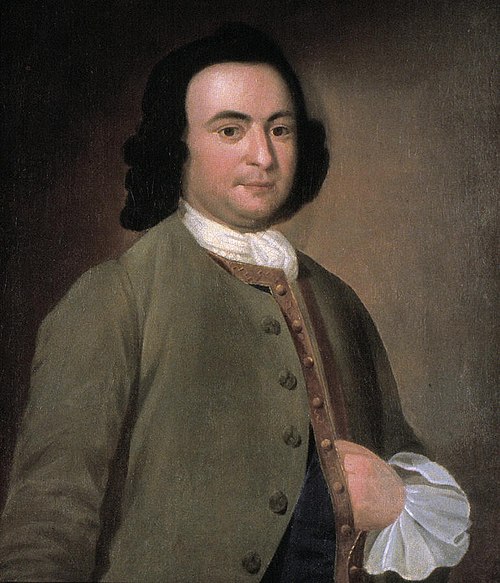
 The Wikipedia article of the day for December 11, 2025 is George Mason.
George Mason (December 11, 1725 – October 7, 1792) was a Founding Father of the United States. A delegate to the Constitutional Convention of 1787, he was one of three delegates who refused to sign the Constitution. His writings have exercised a significant influence on American political thought and events. The Virginia Declaration of Rights, which Mason principally authored, served as a basis for the United States Bill of Rights, of which he has been deemed a father. Many clauses in the Constitution were influenced by Mason's input, but he ultimately did not sign, citing the lack of a bill of rights. His prominent fight for a bill of rights led fellow Virginian James Madison to introduce one during the First Congress in 1789; these amendments were ratified in 1791, a year before Mason died. Obscure after his death, Mason later came to be recognized in the 20th and 21st centuries for his contributions to Virginia and the early United States.


0 Comments